Choosing the Right Water Heater for Your Home in Saudi Arabia
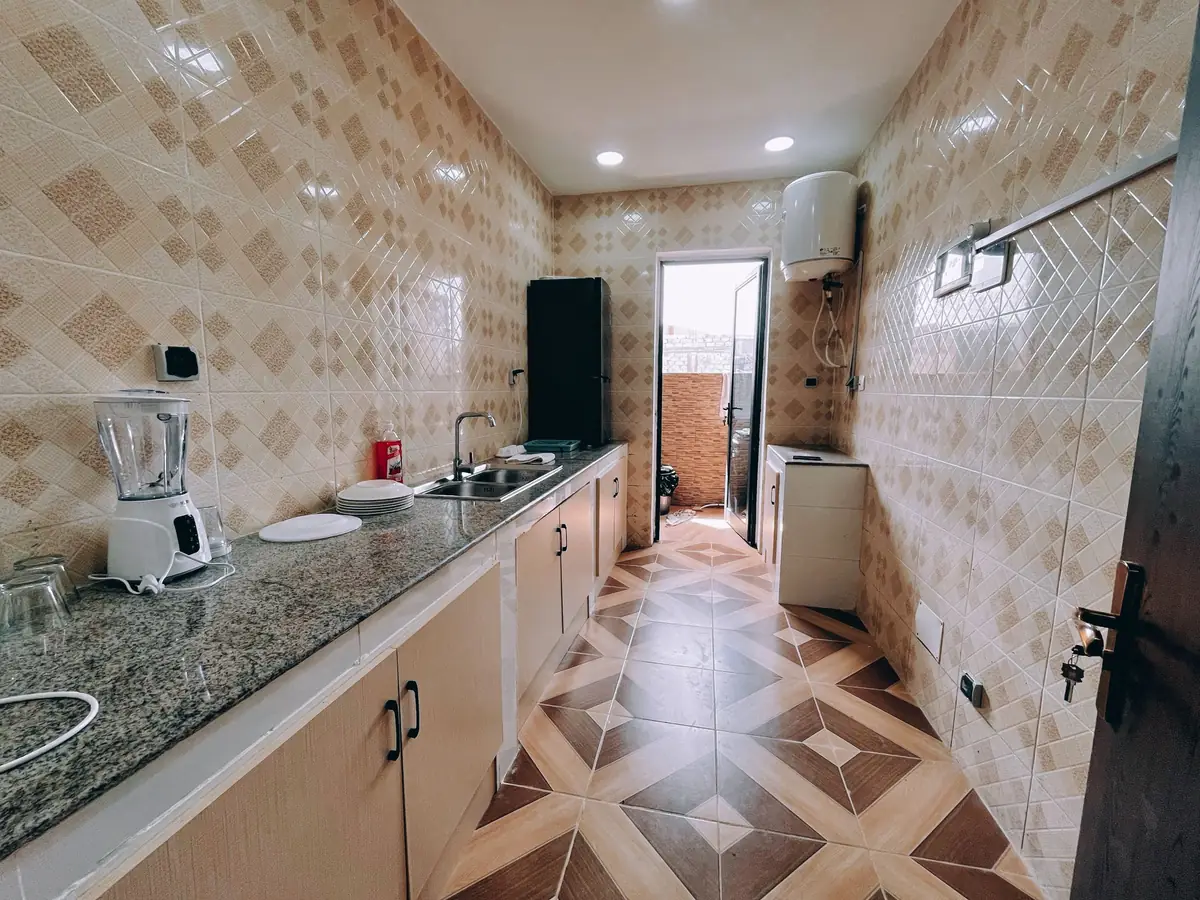
The old water heater has started to take longer to warm up. The bathroom tap runs hot for a moment and then turns lukewarm, and one morning there is a small wet mark on the floor beside the tank. Your household needs reliable hot water every day, but choosing a replacement can feel confusing. There are different types, sizes and installation needs, and the wrong choice can mean poor performance or an unsafe connection.
This guide explains the main types of household water heater, how to think about capacity, what to check before buying, and why installation should be done by a qualified technician.
The main types of household water heaters
Most homes use one of two broad types. A storage (tank) water heater keeps a reserve of hot water ready to use. It suits homes where several people shower or wash within the same period, because the water is heated in advance. An instantaneous (on-demand) unit heats water as it flows through. It is compact and useful for a single basin, a kitchen sink or one point of use, but its output depends on the flow rate and the power of the unit.
Electric models are common in household installations. Whichever type you choose, check the rated capacity, the power requirement and the water pressure the unit is designed for, and confirm that it fits the space you have.
Choosing the right capacity
Capacity is where most confusion starts. A tank that is too small runs out of hot water when two showers follow each other. A tank much larger than you need keeps water hot for longer than necessary, which wastes energy. The aim is a size that matches how your household actually uses hot water.
- How many people live in the home, and how many use hot water in the morning and evening.
- How many bathrooms and hot-water points are used at the same time.
- Whether the heater serves a kitchen, a laundry area or only one bathroom.
- Any changes you expect, such as an extra bathroom or more people in the house.
Read the manufacturer's capacity information and ask the installer to confirm the unit suits your use. A slightly larger unit can be sensible when several people use hot water together, but a very large tank is rarely the answer for a small household.
What to check before you buy
- Space and wall strength. The heater must be mounted securely at a suitable height, with room for pipes, valves and servicing.
- Electrical supply. A water heater needs a suitable circuit, a correctly rated breaker and proper earthing. Ask an electrician to check the supply before installation.
- Water connections. Confirm pipe sizes and the pressure rating, and make sure the unit includes the right valves, including a pressure relief valve.
- Product markings and paperwork. Look for clear labels and read the installation requirements and warranty terms before you buy.
- Who installs it. Make sure installation is included in what you agree, or that you know who will do it and what it covers.
Signs your water heater needs replacing
Replacement is rarely urgent unless the unit is leaking or unsafe. Still, some signs suggest it is nearing the end of its useful life:
- Rust-coloured water, or sediment that appears in the hot water supply.
- Water that takes much longer to heat, or never gets as hot as it used to.
- Leaks from the tank, its valves or the connections at the base.
- Unusual noises from the tank while it heats, such as knocking or rumbling.
- A breaker that trips repeatedly when the heater switches on.
- Repairs that keep coming back, which can add up to more than a suitable replacement.
Location, connections and safety
Where the heater sits matters as much as which model you choose. Install it where it is easy to service, with room for the pipes and a suitable drain beneath it. Bathrooms with moisture need extra care in the electrical installation. Keep the area around the heater free of stored items and flammable materials.
- Water connections should use the right fittings and isolation valves, so the heater can be serviced without shutting off the whole property.
- The pressure relief valve and its discharge pipe must be installed correctly. This is one of the most important safety features.
- The temperature setting should suit safe use, particularly where children or older people use the bathroom.
- The electrical connection must be made by a qualified electrician. Never run a heater from an extension lead or an unsuitable socket.
Do not open the electrical connection, adjust the thermostat inside the unit or fit the pressure relief valve yourself. These are tasks for a qualified technician.
Why professional installation matters
A water heater combines water pressure, electricity and heat, so a small error can cause a leak, damage or a safety risk. A qualified installer checks the supply and pressure, makes the water and electrical connections properly, tests the unit before handover and explains how to use it. Many manufacturers also set installation requirements that must be followed for the warranty to apply, so check those terms before work starts.
Practical maintenance advice
- Check the area around the heater regularly for drips, damp patches and corrosion.
- Ask a technician to flush sediment from the tank as part of routine servicing, particularly where the water carries a lot of deposits.
- Make sure the pressure relief valve works and its outlet is not blocked.
- Keep the isolation valves accessible and make sure everyone in the household knows where they are.
- Have the heater and its electrical connection inspected periodically, and after any water or electrical fault.
Services and products that may help
If you are considering a new unit, our Al Shifa shop displays water heaters and related fittings, and our plumbing team can advise on installation and replacement. Stock and prices change, so please call or WhatsApp us to confirm what is available before you visit.
Water heaters · Plumbing services in Al Shifa · Contact us
Our services in Al Shifa
Frequently asked questions
Can I install a water heater myself?
We do not recommend it. The electrical connection, pressure relief valve and water fittings need qualified work, and an incorrect installation can cause leaks or unsafe conditions.
How do I know if my heater is too small?
If hot water runs out during normal use, or takes a long time to recover when two taps are open, the capacity may not suit your household.
Is a larger tank always better?
No. A larger tank keeps water hot for longer than you may need, which uses more energy. The right size depends on how your household uses hot water.
Do you handle installation and replacement?
Our plumbing team can look at your current heater, advise on a suitable replacement and carry out installation. Contact us to talk through your situation.
Planning a new water heater?
Tell us the type you are considering, the approximate size and how many people use hot water. We will advise on the right option. We confirm stock and price with you before any commitment.
Contact us · Call +966 58 010 3367 or send us a WhatsApp message.