
How to Identify and Fix Water Leaks at Home in Riyadh
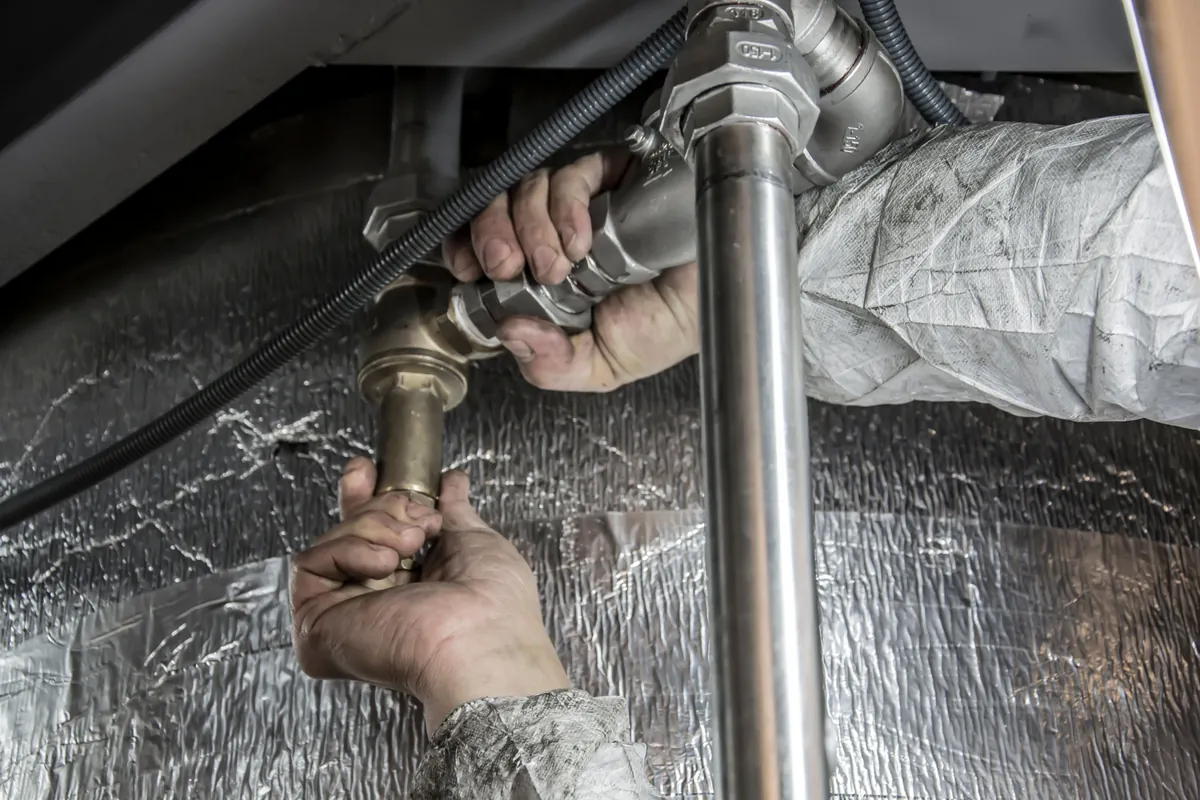
You notice a damp patch on the bathroom wall in the morning. Nobody has used the shower since last night, the tiles feel cool and a faint musty smell has started near the basin. A few weeks later the water bill arrives higher than last month, and nothing in the household seems to have changed.
Moments like this are common in Riyadh homes. Water leaks rarely announce themselves loudly. They usually begin as small signs that are easy to dismiss, and by the time they are obvious, the damage behind the wall is often bigger than the leak itself. This guide explains what to look for, where leaks tend to start, and what to do when you find one.
Early warning signs of a water leak
Most leaks give a few hints before they become serious. Look for these:
- Damp patches or darker areas on walls, ceilings, and the bottom of kitchen and bathroom cabinets.
- Bubbling, peeling or stained paint, especially near taps, toilets or a water heater.
- A water bill that rises without any clear reason or change in use.
- The sound of dripping or running water when every tap is closed.
- A musty smell or small patches of mould in corners that stay damp.
- A floor tile that feels warm or cold in one spot, which can point to a pipe under the floor.
- Lower water pressure at a shower or tap than you are used to.
Where leaks usually happen in Riyadh homes
Leaks tend to gather in the same places. Knowing them makes a quick check far more useful.
Bathrooms
- The toilet cistern and its flush valve, which can run quietly for days.
- The connections under the basin and the waste pipe beneath it.
- Shower mixers and their joints behind the wall plate.
Kitchens
- Under-sink connections and the cartridge inside the tap.
- Flexible hoses behind washing machines and dishwashers.
- The joint where the sink waste meets the drain.
Water connections and outdoor taps
Garden taps and their fittings are easy to forget. So are the outlets and connections of water tanks, and joints in service areas where wear often hides behind cabinets.
Concealed pipes
Pipes run inside walls, under floors and above ceilings. Water from these rarely shows as a puddle. It usually appears as a damp patch, cracked tiles or an unexplained rise in the bill.
Why your water bill can rise
A leak does not need to be large to matter. A dripping tap or a toilet that keeps refilling can waste a surprising amount of water over a month, and most people do not notice it day to day. Because the leak is often out of sight, the bill is sometimes the first sign.
You can check with a simple meter test. Note the reading on your water meter, make sure every tap, appliance and toilet is switched off, and wait an hour or two without using water. If the meter has moved, water is still flowing somewhere. A water heater or an automatic filling tank can also move the meter, so check those before you draw conclusions.
Tip: photograph the meter before and after the test so you can show a technician exactly what you saw.
Visible leaks and hidden leaks
A visible leak is one you can see and reach: a drip under the kitchen sink, a loose hose, or a worn washer on a tap. These are often quick to repair once the cause is found, which is why it pays to act as soon as you notice one.
A hidden leak is harder to pin down. It may run inside a wall, under a floor or behind a bath panel, and it shows itself through damp, staining, a smell or an unexplained bill. Hidden leaks need careful tracing. Breaking walls or lifting tiles without a clear idea of the pipe route can cause more damage and raise the cost of the repair.
What to do as soon as you find a leak
- Close the nearest isolation valve, usually the small tap under a basin or behind a toilet, if you can reach it safely.
- If the water comes from a larger pipe or you cannot find the local valve, close the main supply valve for the property.
- Keep electrical sockets, cables and appliances away from the water. If water reaches a socket or a lighting circuit, do not touch it. Call an electrician straight away.
- Place a bucket or towels under the drip and move valuable items out of the way.
- Take photographs of the damage and the water source, and note the meter reading.
- Call a qualified plumber and describe what you have seen and what you have already done.
Why delaying repairs makes the damage bigger
Water spreads. It soaks into plaster, timber, insulation and the backs of tiles. Over time paint lifts, skirting boards swell, and mould takes hold in places that are hard to clean. Metal joints corrode and the leak grows. If water reaches electrical cables or sockets, the problem becomes a safety issue as well as a plumbing one.
A small repair made early is usually simpler, less disruptive and less costly than one that has to follow damage to the walls, floors and fittings around it.
When to call a professional plumber
- The leak is inside a wall or under a floor, or you cannot see where it starts.
- The same spot has leaked more than once.
- The water heater, a pipe joint or a main supply line is leaking.
- Water has reached electrical sockets, lighting or appliances.
- You cannot stop the water with the isolation valve.
- You are not sure which part is causing the problem.
How to choose a reliable plumbing service in Riyadh
Many people search for a plumber when water is already on the floor, which makes careful choosing hard. These questions help:
- Do they ask where the leak is and what you have seen, rather than giving a fixed price on the phone without looking at the problem?
- Will they explain the cause in plain language and show you the damaged part where possible?
- Do they give you the price and the scope of work in writing before starting?
- Will they tell you before fitting any extra part or doing extra work?
- Can you check their address, phone number and WhatsApp contact?
Noura Electrical and Plumbing Store in Al Shifa deals with leaks in bathrooms, kitchens, toilets, showers, taps and mixers. We can also supply many of the hoses, fittings and spare parts a repair needs. We explain what we find before starting work, and we do not promise guarantees or prices we have not checked.
Services and products that may help
If you have a leak now, our plumbing service page explains the work we cover in Al Shifa and nearby areas. The shop section of our homepage shows hoses, fittings, valves and taps. Stock changes, so please call or WhatsApp before you visit to confirm what we have.
Plumbing services in Al Shifa · Shop · Contact us
Our services in Al Shifa
Frequently asked questions
Will a small leak stop by itself?
Rarely. Washers, gaskets and seals wear over time, so a drip usually continues or gets worse.
Is a running toilet a serious leak?
It can be. A cistern that keeps refilling is a common cause of water loss nobody notices. The cause is often a worn flush valve or fill valve.
Can I use a sealant or tape to stop a leak?
Temporary products may slow a drip, but they rarely fix the cause. Ask a plumber before relying on them.
How do I know whether a leak is hidden?
Look for damp patches, staining, warm spots on the floor, a musty smell or an unexplained rise in your bill. The meter test helps too.
Need help with a water leak in Al Shifa?
Describe what you have seen and send a photo if it is safe to take one. We will tell you what we think and what the next step should be.
Contact us · Call +966 58 010 3367 or send us a WhatsApp message.